
Tanzania’s election inquiry confirms 518 dead but leaves question of responsibility unanswered
A government-appointed commission has released the first official accounting of deaths from Tanzania’s post-election violence, acknowledging 518 killed and over 2,000 injured — but declining to name those responsible and placing the blame on the protesters themselves. The opposition has rejected the report, and a further criminal inquiry has been announced.
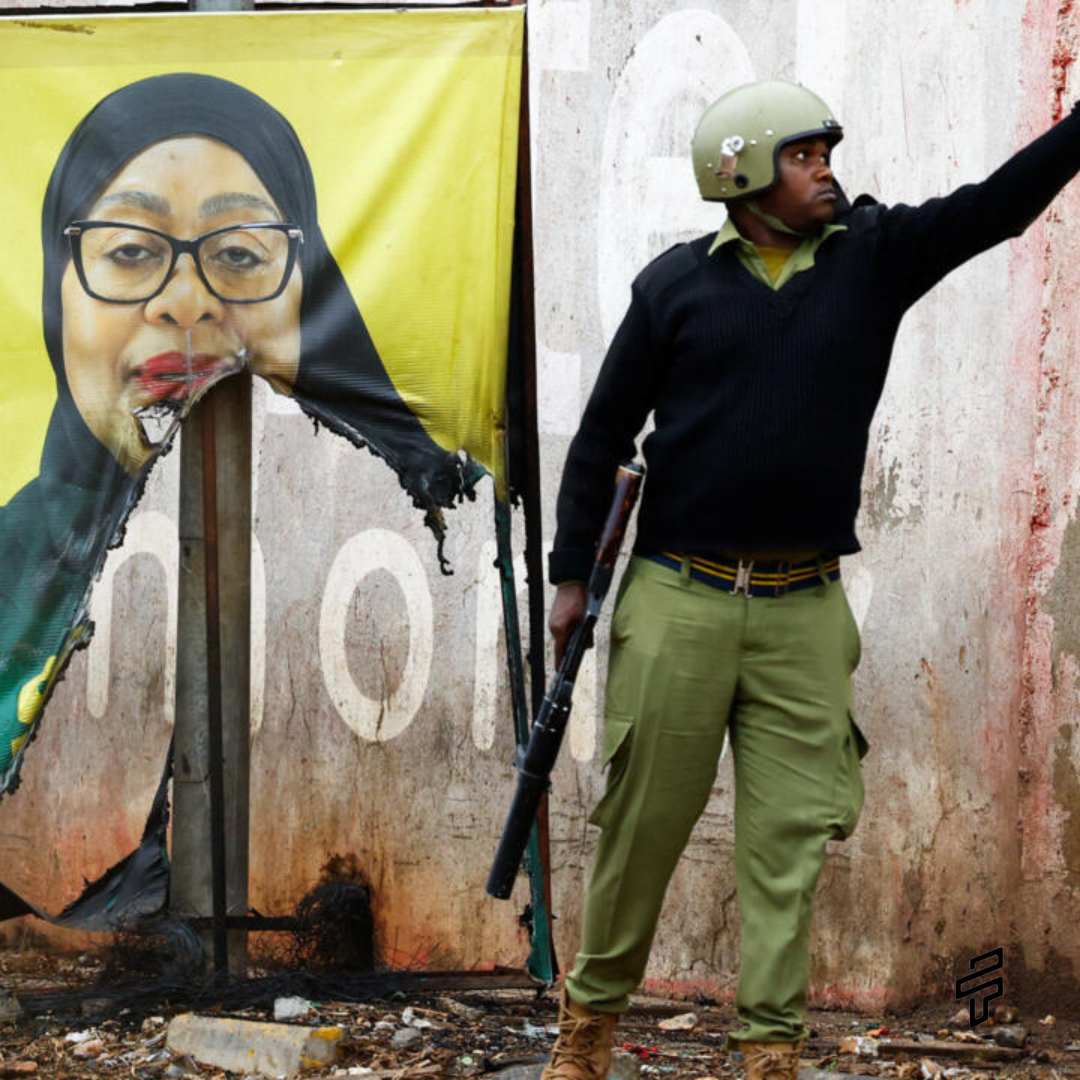
Tanzania’s government has formally acknowledged that at least 518 people were killed in post-election violence following last October’s general election, releasing the findings of a presidential commission after five months of investigation.
The report, handed to President Samia Suluhu Hassan in Dar es Salaam by commission chairman Mohamed Chande Othman, is the first official account of the deadliest political crisis in Tanzania’s recent history. It says 490 of the dead were men, 21 were children and 16 were security officers.
More than 2,000 people were injured, including 120 security officers. The commission said the toll could be higher because some victims were buried without authorities being informed.
Othman did not assign blame for the killings and said a separate criminal investigation body should be established to examine specific incidents. He said the commission had evidence that the violence was planned and financed by trained individuals, but he did not name those responsible.
The opposition CHADEMA rejected the report, arguing that a government accused of abuses cannot credibly investigate itself. The party also pointed to the exclusion of major challengers from the election, which Hassan won with 98 percent of the vote.
Questions remain over the role of security forces. The commission said it received allegations that people were shot in homes and shops, including near a café in Mwanza, while Reuters reported that police killed more than a dozen unarmed young men there and that witnesses in other cities described similar incidents.
Hassan said the violence had “shaken the nation” but defended the security services, saying they prevented the state from “sliding into anarchy.” She announced a Commission for National Reconciliation and urged religious leaders to support national healing.
The report’s full text was not made public. Its recommendations include free medical treatment and psychosocial support for survivors, a national day of mourning and the creation of a criminal investigation body to determine accountability.
The 153-day inquiry covered 11 regions and 21 districts. It was Tanzania’s seventh presidential commission of inquiry since independence, and previous panels have often seen their recommendations only partly implemented or quietly shelved.