
Kenya’s Protest Anniversary Becomes a Test of Ruto’s Accountability Promise
Police used tear gas in Nairobi as Kenyans marked two years since the deadly 2024 anti-tax protests, exposing the unresolved question at the centre of William Ruto’s presidency: whether compensation can substitute for accountability.
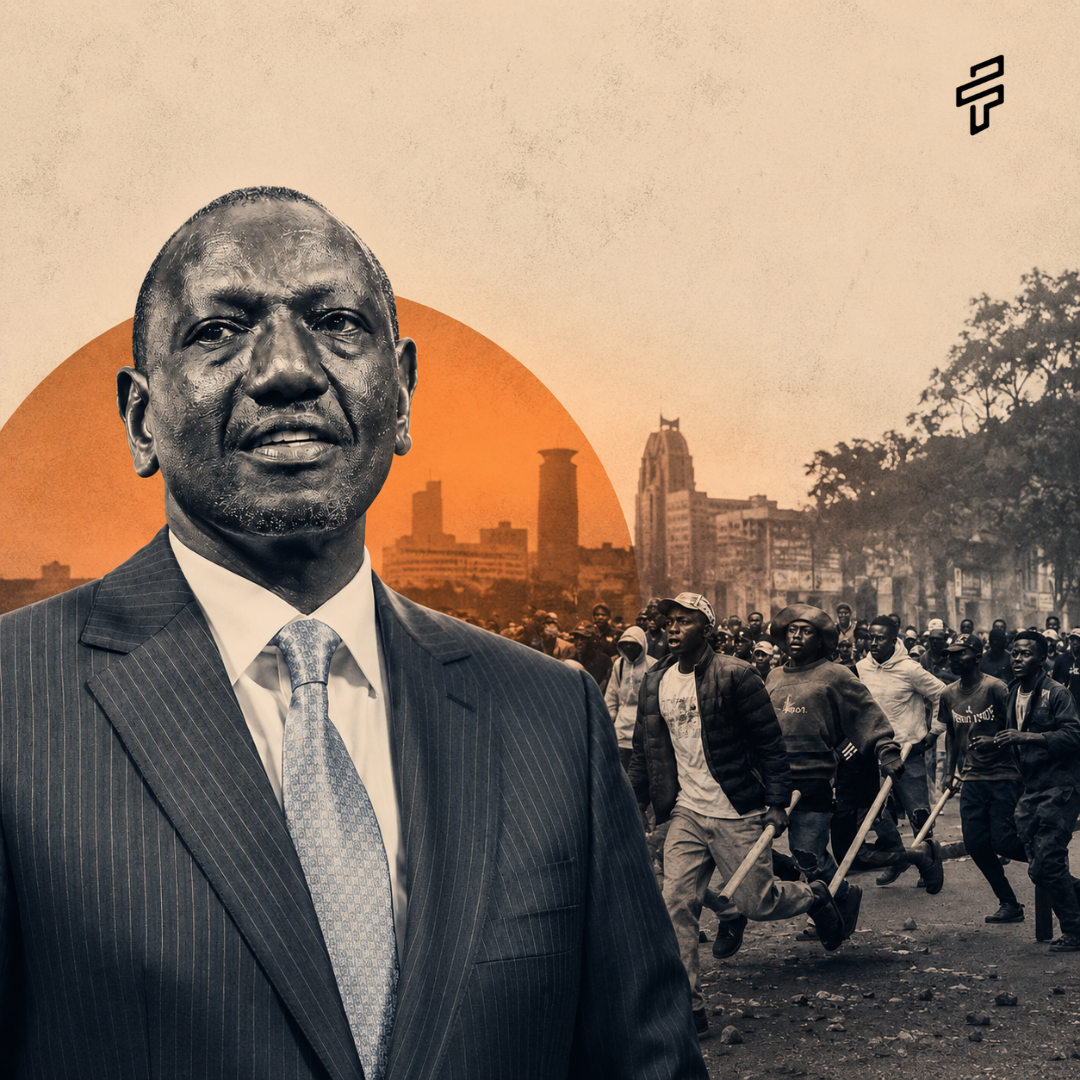
Kenyan police fired tear gas in Nairobi on Thursday as protesters gathered to mark two years since the deadly 2024 anti-government demonstrations against tax hikes and the cost of living. Reuters reported that organisers had planned marches to remember the unrest, when protesters breached parliament grounds before a crackdown left at least 60 people dead, according to the Kenya National Commission on Human Rights.
The anniversary was treated by the state as a security risk before it became a public commemoration. Police set up roadblocks, water cannon trucks and razor wire around parliament, while shops and restaurants in central Nairobi remained shut. A Reuters correspondent saw police fire tear gas at people gathering peacefully near Nairobi’s main police station after security forces detained at least six people outside parliament, where they had laid flowers.
This is the central problem for President William Ruto. His government has acknowledged abuses, and he said last week that 2 billion Kenyan shillings, about $15.5 million, had been set aside for victims of protest-related violations. But families of the dead and civil society groups are demanding more than compensation. They want credible investigations, prosecutions and guarantees that excessive force will not be repeated.
The politics are delicate because the 2024 protests changed the moral terrain of Kenyan public life. They were led largely by young citizens who rejected the idea that austerity could be imposed without accountability. The storming of parliament became a symbol of anger at a political class seen as insulated from the economic pressure facing ordinary Kenyans.
Two years later, the state still appears unsure whether to treat the movement as a civic demand or a security threat. That uncertainty is dangerous. If remembrance itself is met with force, the government risks confirming the very grievance that protesters are trying to mark: that the state responds faster with coercion than with accountability.
Ruto’s challenge is not only to manage the streets. It is to restore trust in institutions after a rupture that has not healed. Compensation may matter to families, but it cannot replace justice. Kenya’s stability will depend on whether the government can show that protest deaths are not simply a cost of public order.