
Africa’s AI Future Will Be Decided by Compute, Not Just Apps
Cassava’s NVIDIA-powered AI factory push is a reminder that Africa’s AI race will depend less on chatbots and more on data centres, energy, compute and sovereign infrastructure.
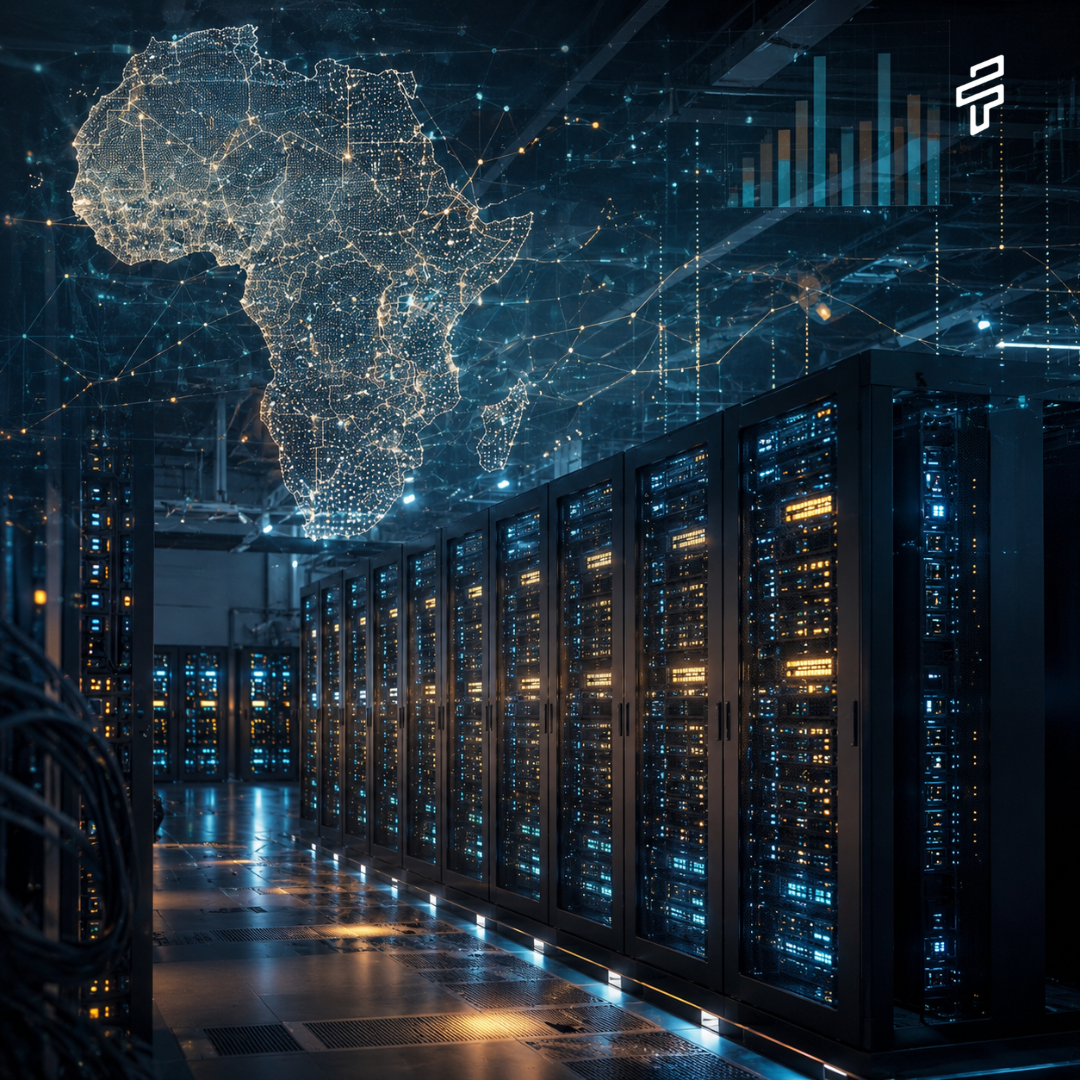
Africa’s AI debate is entering a more serious phase. Cassava Technologies says it is deploying an NVIDIA-powered AI factory in South Africa, with plans to scale to Nigeria, Kenya, Egypt and Morocco. The company says the infrastructure is intended to support African businesses, governments and researchers with AI computing capacity while helping keep data within Africa’s borders.
This matters because AI is not only an application layer. It is an infrastructure race. Models require data, chips, energy, cloud architecture, cooling systems, skilled engineers and reliable connectivity. Without those foundations, African AI ecosystems will remain dependent on foreign platforms and imported computing power.
A 2026 research paper on Africa’s AI infrastructure argues that the continent’s participation in modern AI is constrained by gaps in high-performance computing, cloud access, currency volatility, payment barriers and fragmented data sovereignty rules. The paper notes that initiatives such as Cassava’s AI factories are important, but that wider adoption requires stronger coordination across compute, data and energy systems.
The strategic issue is sovereignty. If African governments want AI for health, education, agriculture, finance and public administration, they must also ask where the models are trained, where data is stored and who controls the infrastructure. AI policy without compute access is incomplete.
Cassava’s project will not solve the continent’s AI gap alone. But it changes the conversation. Africa’s digital future will not be built only by coders and startups. It will be built by data centres, power systems, policy frameworks and regional infrastructure that allow African AI to be produced, not merely consumed.