
Inspired Evolution launches $176m electricity access vehicle for Africa
Inspired Evolution has launched Zafiri, a $176 million investment vehicle aimed at expanding electricity access across sub-Saharan Africa through distributed renewable energy.
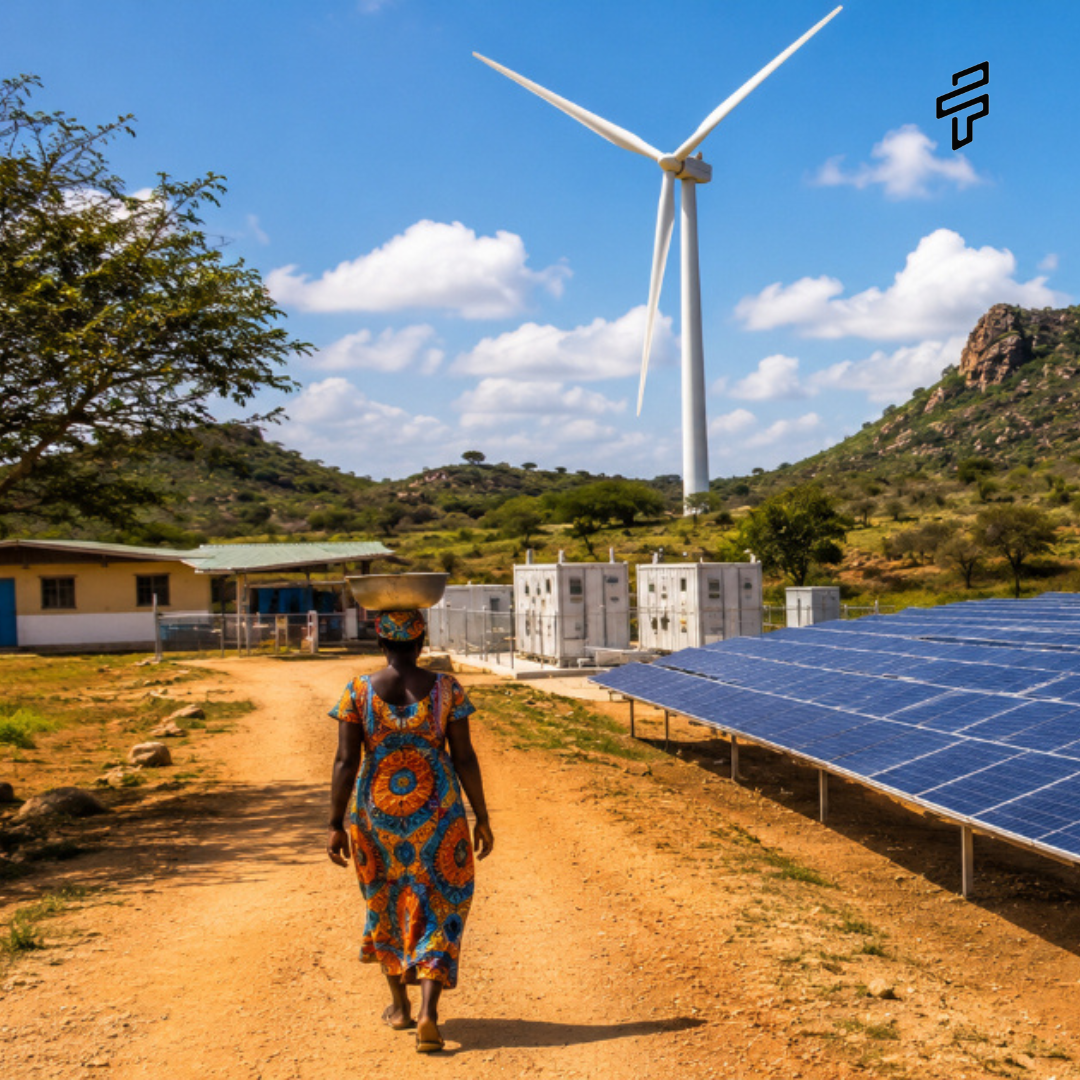
Inspired Evolution has launched Zafiri, a $176 million investment vehicle aimed at expanding electricity access across sub-Saharan Africa through distributed renewable energy.
The African climate investment firm Inspired Evolution has announced the commercial launch of Zafiri, a blended permanent-capital vehicle designed to provide long-term funding to energy companies and projects across sub-Saharan Africa.
The vehicle will focus on distributed renewable energy, including mini-grids, solar home systems, productive-use energy solutions and clean cooking enterprises. These are the types of smaller, decentralised power systems often seen as critical for reaching communities that remain far from national electricity grids or poorly served by unreliable public power infrastructure.
Zafiri’s founding shareholders include the International Finance Corporation, the African Development Bank Group through the Sustainable Energy Fund for Africa, The Rockefeller Foundation, Trade and Development Bank Group, Nordic Development Fund, the MacArthur Foundation and FirstRand Limited.
At least half of Zafiri’s capital is expected to support mini-grids, solar home systems and clean cooking. The fund aims to expand access to clean energy for up to 30 million people over its lifetime.
The launch comes under the wider Mission 300 initiative, led by the World Bank Group and African Development Bank, which aims to connect 300 million Africans to electricity by 2030. The programme reflects a growing push by development finance institutions and private investors to use blended finance to reduce risk and attract commercial capital into Africa’s energy access market.
For many countries in the region, the challenge is not only generating more electricity but also delivering reliable and affordable power to households, small businesses, farms, schools and health facilities. Distributed renewable energy has become increasingly important because it can reach underserved communities faster than traditional grid expansion in some areas.
Zafiri’s structure is significant because it offers patient equity rather than short-term finance. Many African energy access companies struggle to raise the long-term capital needed to scale operations, attract debt financing and expand into poorer or harder-to-reach markets.
If successful, Zafiri could help close part of this financing gap and accelerate the rollout of off-grid and decentralised energy solutions across the continent. But its impact will depend on how effectively capital is deployed, whether local companies can scale sustainably, and whether governments maintain the policy conditions needed for private energy investment.