
Nigeria Says Joint U.S. Strikes Killed 175 Islamic State Militants in the North-East
The reported operation marks a significant escalation in U.S.-Nigeria counterterrorism cooperation as Islamic State activity increasingly shifts toward Africa.
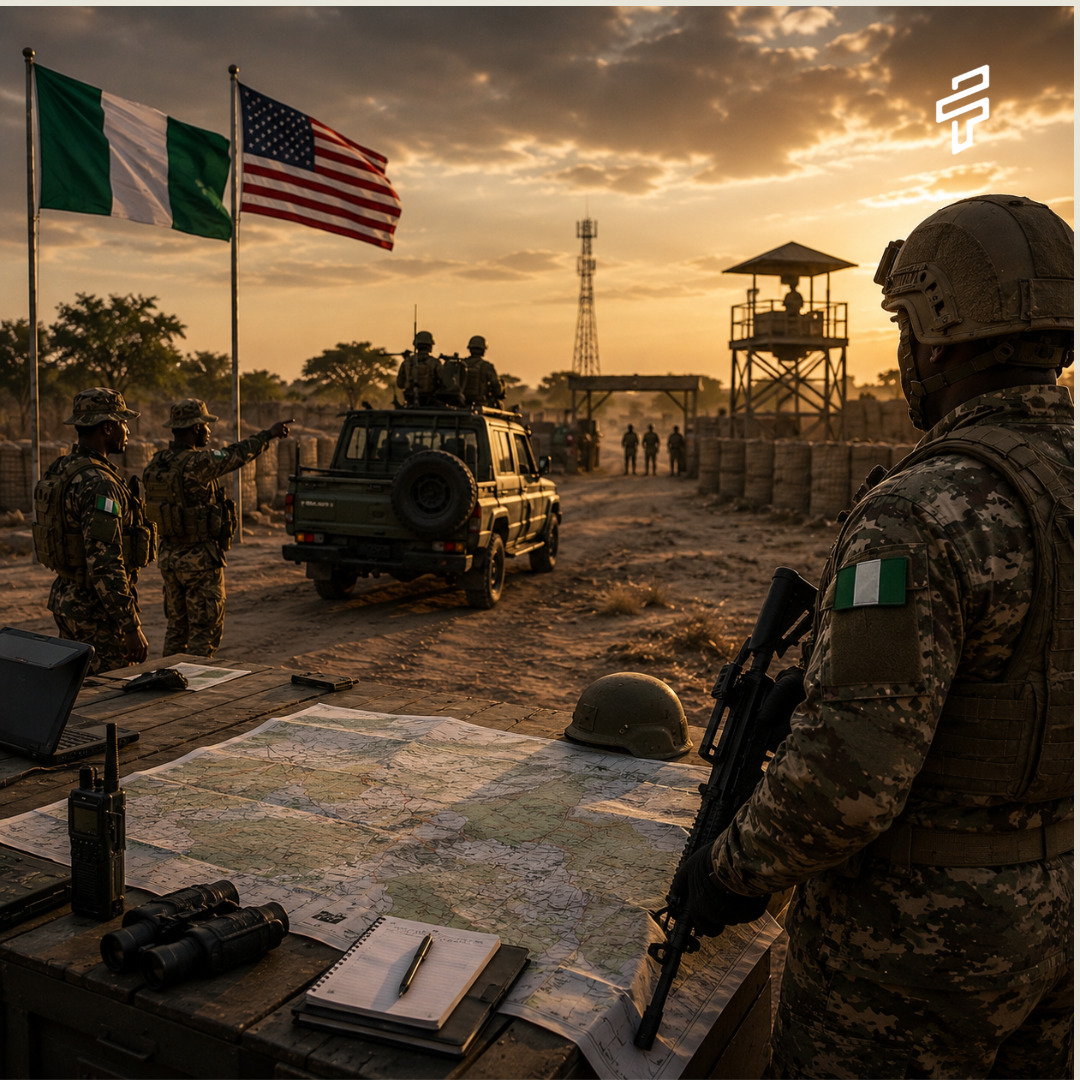
Nigeria says its forces, working with the United States, have killed 175 Islamic State militants in a series of joint air and ground strikes in the north-east. The Defence Headquarters said the operations targeted Islamic State West Africa Province checkpoints, weapons caches, logistics hubs and financing networks.
The reported scale of the operation is significant. Nigeria’s military said the assessment as of 19 May indicated that 175 ISIS militants had been removed from the battlefield. Reuters could not independently verify the toll, but the statement signals a major security push in Borno state and surrounding conflict zones.
The operation also comes as Islamic State has shifted more of its global activity toward Africa. Reuters cited crisis-monitoring group ACLED as saying Africa accounted for 86% of Islamic State’s global activity in the first three months of 2026. That figure underlines why Nigeria’s north-east remains central to the international security map.
For Abuja, the operation offers a tactical success and a message of restored partnership with Washington. But the long-term test remains governance. Air and ground strikes can weaken command networks, but ISWAP has survived for years by adapting, taxing communities, moving through difficult terrain and exploiting weak local trust in the state.
For Washington, the strikes show continuing interest in counterterrorism cooperation in West Africa at a time when parts of the Sahel have turned away from Western security partners. Nigeria therefore occupies a different strategic position: a difficult security environment, but one where U.S. cooperation remains active.
The question is whether battlefield gains can translate into civilian security. In the north-east, communities need more than successful strikes. They need roads reopened, markets protected, displaced people supported and local governance restored. Without that, insurgent networks can regenerate even after serious losses.