
Zambia: RightsCon Cancellation Raises China-Taiwan Pressure Concerns
A major human rights and digital rights summit planned for Zambia was cancelled after alleged pressure to exclude Taiwanese activists.
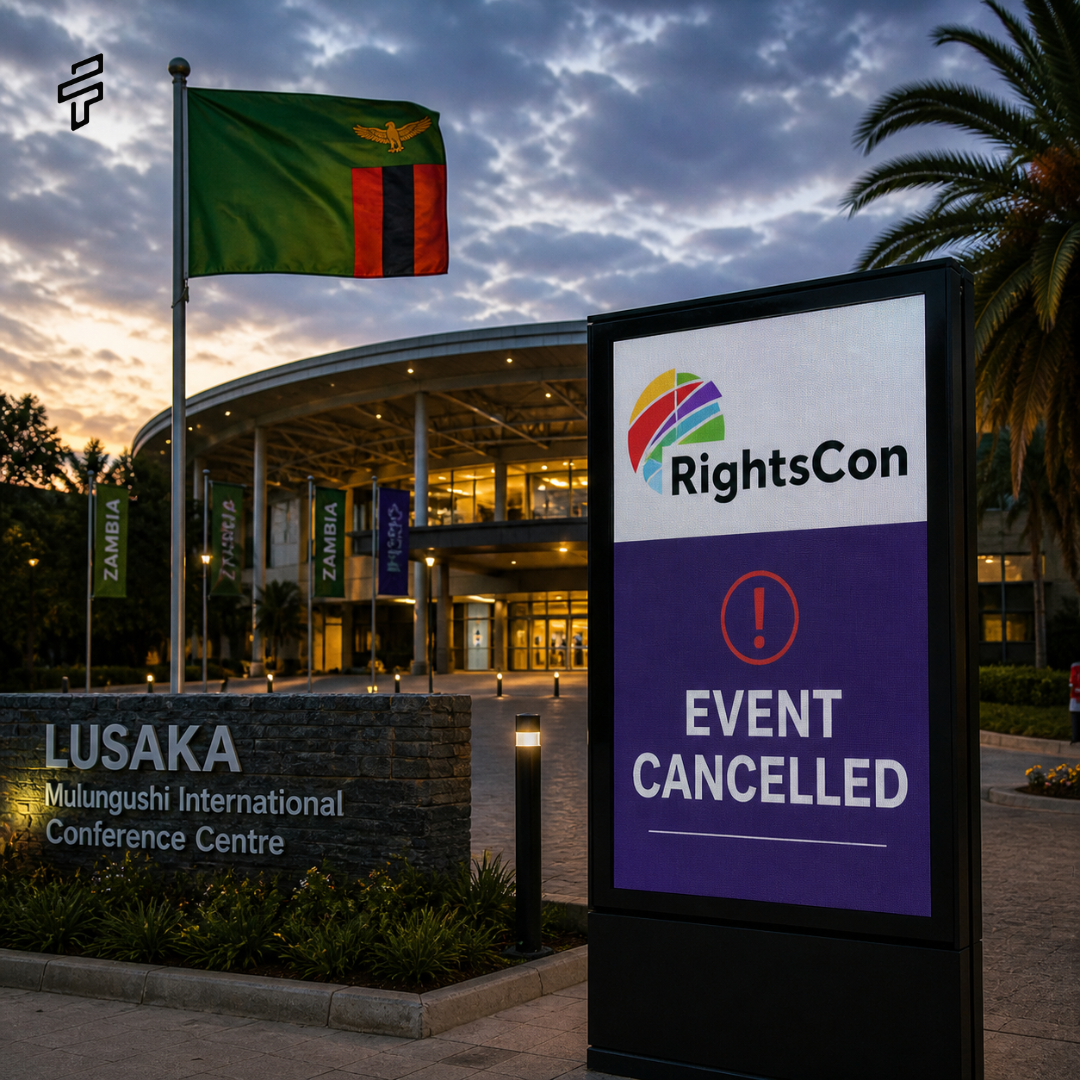
RightsCon, the world's premier summit on human rights and digital rights, has been abruptly canceled just weeks before its scheduled kickoff in Lusaka, Zambia. Organizers Access Now blamed intense pressure from Chinese authorities, who demanded the exclusion or severe restrictions on Taiwanese participants—a non-negotiable red line for the event's commitment to open dialogue.
The saga unfolded rapidly after Zambia's government withdrew its hosting approval on April 25. In a statement, Zambian officials cited the need to align the conference with "national values and interests," without elaborating. The Associated Press reported that behind-the-scenes diplomacy involved Beijing's insistence on sidelining Taiwan, reflecting China's long-standing "One China" policy that views the island as a breakaway province. Taiwanese activists, including figures from groups like Doublethink Lab, were set to discuss topics like digital surveillance and disinformation—issues central to RightsCon's agenda.
Human Rights Watch swiftly condemned the move, urging Zambian authorities for "full clarification" on the decision and warning of broader implications for free expression. "This sets a dangerous precedent," said HRW's Africa Director, Deprose Muchena, in a statement. "Zambia's hosting was a bold step for African digital rights; caving to external pressure undermines that progress."
RightsCon, held annually since 2011, draws thousands of activists, tech experts, policymakers, and journalists to tackle online censorship, surveillance, and cyber threats. Zambia's selection as 2026 host marked a milestone for Africa, spotlighting the continent's rising digital rights challenges amid growing Chinese tech influence—like Huawei's expanding footprint in telecoms and surveillance.
This isn't isolated. China has flexed similar muscle before: In 2019, it pressured the UN to bar Taiwanese flags at events, and Pacific nations have faced aid threats over Taiwan ties. Zambia, heavily indebted to China (holding about 30% of its external debt), walks a tightrope. President Hakainde Hichilema's administration, elected in 2021 on reform promises, now faces scrutiny over sovereignty.
Access Now vowed to relocate the summit, eyeing alternatives in Europe or North America. "We won't let authoritarian pressure silence global voices," said Executive Director Yamini Raghupathy. As digital rights battles intensify, RightsCon's cancellation underscores the high stakes: In an interconnected world, one nation's forum can become another's geopolitical flashpoint.