
Russia’s Mali Gamble Faces Its Sharpest Test After Defence Minister Killed in Coordinated Attacks
The killing of Mali’s defence minister and Russia’s admission of Africa Corps casualties have exposed the limits of Bamako’s security strategy at a decisive moment for the Sahel.
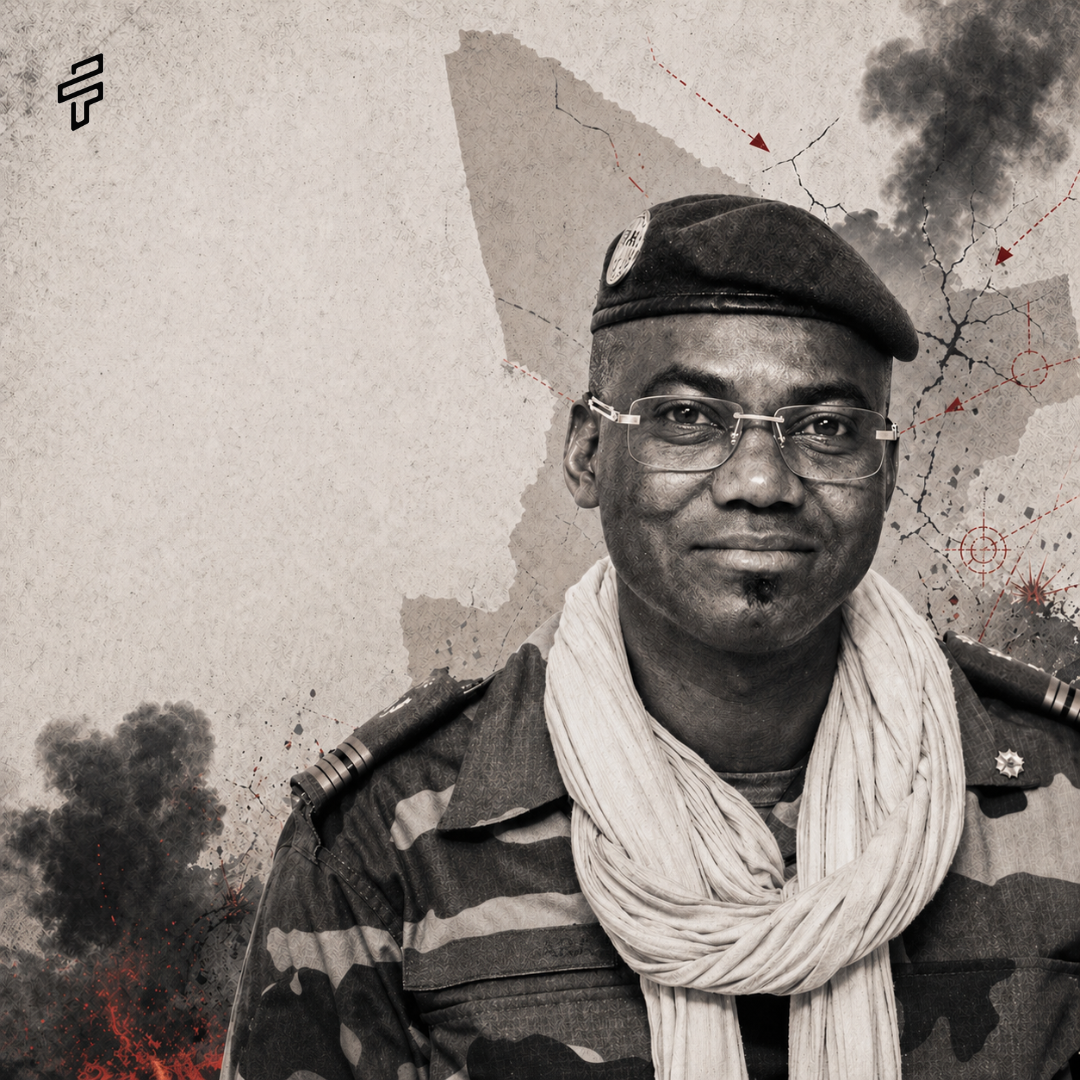
Mali’s military government is facing one of its most serious tests since taking power after Defence Minister Sadio Camara was killed during coordinated attacks that struck Kati, near Bamako, and several towns across the country. Reuters reported that a suicide car bomb targeted Camara’s residence, while al Qaeda-linked JNIM and Tuareg rebels claimed responsibility for wider assaults on military and strategic sites.
The timing and geography of the attacks matter. Kati is not peripheral; it is closely tied to Mali’s military establishment. Attacks also hit areas near Bamako airport and locations farther north, including Mopti, Sévaré and Gao. The fate of Kidal, a symbolic northern city, remains contested, with Tuareg rebels saying it had fallen while Mali’s army said it had repositioned forces and operations were continuing.
Russia’s role is now under sharper scrutiny. Moscow said on Tuesday that it was important to restore peace and stability quickly, while Russian state media reported that Africa Corps fighters had suffered casualties after withdrawing from Kidal. The Kremlin also declined to comment on the whereabouts of Mali’s leader, Assimi Goïta, who Reuters reported had not been seen or heard from since Saturday morning.
For Bamako, the crisis is both military and political. The junta has justified its rule through a promise of restored sovereignty and improved security after breaking with France and other Western partners. But the latest attacks suggest that armed groups remain capable of coordinated national pressure.
The broader Sahel question is whether military-led governments can convert anti-Western sovereignty rhetoric into territorial control. Mali’s crisis now places that question at the centre of regional politics.